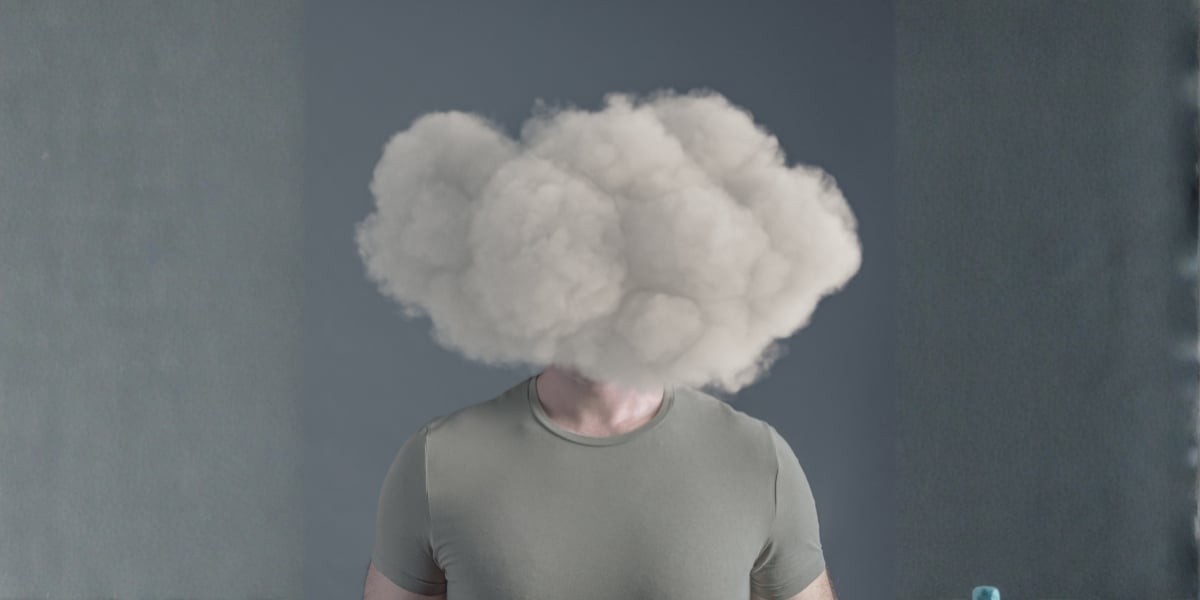
Why You Always Feel Tired (And Fix It)
Many people wonder, “Why am I always tired even when I get enough sleep?” Many people feel constantly tired due to chronic stress, elevated cortisol, poor sleep quality, excessive phone use, unhealthy diet, lack of exercise, or untreated sleep disorders like sleep apnea. Identifying and addressing these root causes can dramatically improve energy, mental clarity, and overall health.
Why You Feel Tired All the Time
Feeling constantly tired has become incredibly common. Many people sleep seven or eight hours and still wake up exhausted. Others feel drained halfway through the day even when they haven’t done anything physically demanding.
Persistent fatigue usually isn’t caused by just one issue. Instead, it often results from a combination of chronic stress, poor sleep quality, unhealthy habits, and mental overload. Modern life exposes people to constant stimulation, work pressure, financial concerns, and relationship challenges that can quietly drain energy over time.
The encouraging news is that fatigue often improves once the underlying causes are identified and addressed.
The Cortisol and Stress Cycle That Drains Your Energy
One of the most overlooked causes of fatigue is chronically elevated cortisol, the body’s primary stress hormone.
Cortisol helps regulate energy, metabolism, blood pressure, and the body’s response to challenges. In short bursts, it’s helpful. It helps you wake up in the morning, stay alert during the day, and react quickly to problems.
But when stress becomes constant, cortisol remains elevated longer than the body is designed to handle.
Instead of turning on briefly and then shutting off, the stress response becomes chronically activated, slowly draining physical and mental energy.
Research from University of Oxford explains that chronic stress hormones can disrupt sleep cycles, cognitive function, and energy regulation.
Many people experience elevated cortisol from several everyday sources simultaneously.
Work Pressure and Cognitive Overload
Modern work environments require sustained mental focus, constant communication, and rapid problem solving. For many people, the brain rarely gets a break from decision-making.
Emails, deadlines, meetings, and constant notifications keep the brain in a state of continuous cognitive activation.
When the brain perceives ongoing demands, the body continues producing cortisol to maintain alertness. Over time this can lead to:
-
Mental fatigue
-
Brain fog
-
Reduced concentration
-
Irritability
-
Emotional exhaustion
Studies in occupational health research have shown that chronic workplace stress is associated with increased fatigue and burnout symptoms, especially when recovery time is limited.
When the brain never fully disengages from problem-solving mode, energy levels slowly decline throughout the day.
Financial Stress and Chronic Uncertainty
Financial stress is another major contributor to prolonged cortisol elevation.
Concerns about paying bills, job stability, housing costs, or debt can keep the brain in a persistent state of anticipatory stress.
Unlike a short-term challenge, financial uncertainty often feels ongoing and unpredictable. The brain continually scans for potential threats or problems to solve.
Research published by the American Psychological Association consistently shows that financial concerns rank among the most common sources of chronic stress in the United States. 64%-72% of adults identify finances as a significant stressor.
Chronic financial stress can lead to:
-
Constant background anxiety
-
Difficulty relaxing
-
Mental rumination about worst-case scenarios
-
Increased fatigue and low motivation
When the brain remains in this heightened state of vigilance, energy reserves are gradually depleted.
Relationship Conflict and Emotional Stress
Human relationships are one of the most powerful influences on our nervous system.
Supportive relationships can reduce stress hormones and improve emotional regulation. But ongoing conflict, unresolved arguments, or communication breakdowns can have the opposite effect.
During tense interactions, the brain often perceives social conflict as a threat. This activates the same stress-response systems used during physical danger, releasing cortisol and adrenaline.
Research in psychoneuroendocrinology has shown that couples experiencing frequent conflict often exhibit measurable increases in stress hormones during and after arguments.
Over time, chronic relationship stress can lead to:
-
Emotional exhaustion
-
Heightened defensiveness
-
Reduced patience and empathy
-
Difficulty concentrating at work or home
When conflicts remain unresolved, the brain may continue replaying arguments long after they end, prolonging the stress response.
Digital Overload and Constant Stimulation
Another modern source of chronic stress is constant digital stimulation.
Smartphones, social media, messaging apps, and news feeds create an environment where the brain is rarely fully disconnected from external input.
Each notification or alert activates a small burst of attention and dopamine. While these bursts are brief, they accumulate throughout the day.
Frequent task-switching (moving between apps, messages, and work tasks) can increase cognitive load and mental fatigue.
Digital environments also expose people to emotionally stimulating content such as negative news, social comparison, or heated online discussions.
Research in behavioral science has shown that heavy digital multitasking is associated with reduced attention span, increased stress, and mental fatigue.
Over time, this constant stimulation can make it difficult for the brain to shift into a relaxed, restorative state.
How Phone Screens Disrupt Sleep
In addition to daytime stress, phone screens can interfere directly with sleep quality.
The blue light emitted from phones and tablets suppresses melatonin, the hormone that signals to the brain that it is time to sleep.
A well-known study published in the Proceedings of the National Academy of Sciences found that evening exposure to blue-light screens delayed melatonin production and reduced sleep quality.
When sleep becomes lighter or fragmented, the body does not get enough restorative deep sleep. Over time this can lead to persistent daytime fatigue and brain fog.
Sleep Disorders: A Hidden Cause of Chronic Fatigue
Some people remain exhausted even after improving their sleep habits because they have an untreated sleep disorder, such as sleep apnea.
Sleep apnea occurs when breathing repeatedly stops during sleep, lowering oxygen levels and fragmenting the sleep cycle.
According to the American Academy of Sleep Medicine, obstructive sleep apnea affects millions of adults and is strongly associated with fatigue, cognitive impairment, and mood symptoms.
Many patients experience major improvements in energy once they begin treatment with a CPAP (continuous positive airway pressure) machine, which helps keep the airway open during sleep.
However, some people initially hesitate to use CPAP therapy because the idea of sleeping with a machine can feel intimidating or they may feel there is a stigma associated with the machine. Some younger people may incorrectly believe a CPAP machine is only for older individuals or that it may keep the from having the type of sexual relationships that they would prefer.
Lifestyle Factors That Quietly Drain Energy
Beyond stress and sleep, everyday habits also play a major role in how energetic or exhausted we feel.
Diet and Blood Sugar
A diet high in refined carbohydrates and processed foods can cause rapid spikes and crashes in blood sugar, which often leads to fatigue.
Research by Columbia University has shown that high glycemic diets may worsen fatigue and mood symptoms and can worsen depression symptoms.
Balanced meals that include protein, fiber, and healthy fats can help stabilize energy throughout the day.
Exercise and Physical Activity
Although it may seem counterintuitive, regular movement actually increases energy.
A University of Georgia study showed that sedentary people can reduce their symptoms of fatigue by 65% by regularly taking part in low-intensity aerobic exercise.
Even moderate activity can help, including:
-
Walking
-
Strength training
-
Recreational sports
-
Hiking or biking
-
Fun physical activities with friends or family
Exercise improves circulation, mitochondrial function, and brain chemistry; all of which support sustained energy.
How Ketamine Therapy Can Help Reset These Patterns
For some people, fatigue is closely tied to depression, anxiety, chronic pain, chronic stress, or mental health challenges that make lifestyle changes difficult.
Ketamine therapy has been widely studied for treatment-resistant depression. Research has shown that ketamine can produce rapid improvements in mood and cognitive flexibility for many patients.
When mental health improves, many patients find it easier to adopt healthier habits that improve energy levels.
At Mind Body Centers, our patients have reported that ketamine therapy helped them:
-
Become more open to using CPAP therapy to improve sleep
-
Reduce late-night phone use
-
Eat healthier foods
-
Start exercising again
-
Walk more regularly
-
Try weight training or other physical activities
-
Be more present with family and partners
-
Approach relationship conflicts with less defensiveness
-
Handle workplace stress more effectively
-
Be more creative
-
Heal from trauma
-
Work through grief in a healthy way
-
Stop feeling emotionally numb
- Enjoy life again
Ketamine can support these changes by increasing neuroplasticity, the brain’s ability to form new connections.
Research from Yale School of Medicine suggests ketamine rapidly promotes synapse formation in brain regions involved in mood regulation.
When the brain becomes more flexible and less stuck in negative patterns, people often feel more capable of making meaningful lifestyle improvements.
Supporting Patients in Arizona and Minnesota
Mind Body Centers provides ketamine infusion therapy for individuals struggling with depression, anxiety, chronic pain, PTSD, and related symptoms that may contribute to chronic fatigue.
Our Gilbert, Arizona clinic serves patients from surrounding communities including Mesa, Chandler, Tempe, and Scottsdale, where many people seek innovative approaches to improving mental health and overall well-being.
We also care for patients at our Burnsville, Minnesota clinic, which welcomes individuals from nearby areas such as Eagan, Apple Valley, Savage, and Bloomington.
Many patients come to us feeling mentally exhausted and overwhelmed. Our goal is to help them address the underlying factors affecting their mental health so they can regain energy, clarity, and motivation.
Small Changes That Can Restore Your Energy
If you constantly feel tired, small changes can make a meaningful difference.
Protect your sleep schedule
Try to go to bed and wake up at consistent times.If you think you may suffer from sleep apnea, getting a sleep study is a good first step.
Limit phone use before bedtime
Reducing screen exposure in the evening can improve sleep quality. Try to stay away from content that might increase your stress levels in the hours before bed.
Move your body daily
Even a short walk can boost energy and mood.
Eat balanced meals
Stable blood sugar helps prevent energy crashes.
Address underlying health concerns
Conditions such as sleep apnea, depression, or chronic stress may require professional support.
The Bottom Line
Feeling constantly tired is not something you simply have to accept. Chronic fatigue often results from multiple interacting factors like stress hormones, poor sleep, lifestyle habits, and mental health challenges.
By addressing these root causes, many people experience significant improvements in energy, focus, and quality of life.
For individuals whose fatigue is closely connected to depression, anxiety or chronic stress, treatments like ketamine therapy may help restore the mental flexibility and motivation needed to rebuild healthier habits and regain long-term well-being.
Frequently Asked Questions About Constant Fatigue
Why am I always tired even after sleeping?
Feeling tired even after getting a full night of sleep is surprisingly common. In many cases, the problem isn’t the number of hours slept but the quality of sleep and underlying stress on the body.
Several factors can cause persistent fatigue despite adequate sleep:
-
-
Chronic stress and elevated cortisol
-
Poor sleep quality from screen exposure before bed
-
Sleep disorders such as obstructive sleep apnea
-
Blood sugar fluctuations from diet
-
Depression or mental health conditions
-
Lack of physical activity
-
For example, sleep apnea causes repeated breathing interruptions during the night, preventing the body from reaching deep, restorative sleep stages. According to the American Academy of Sleep Medicine, untreated sleep apnea can lead to significant daytime fatigue, brain fog, and difficulty concentrating.
Addressing the root causes like improving sleep habits, reducing stress, treating sleep disorders, and improving overall health often leads to noticeable improvements in energy.
Can stress make you feel constantly exhausted?
Yes. Chronic stress is one of the most common reasons people feel persistently tired.
When the body perceives ongoing stress—from work pressure, financial worries, relationship conflict, or constant digital stimulation—it releases stress hormones such as cortisol and adrenaline.
These hormones are designed for short bursts of alertness during emergencies. But when stress becomes chronic, the body remains in a prolonged state of physiological activation, which can gradually drain energy.
Long-term stress can contribute to:
-
-
Mental fatigue and brain fog
-
Poor sleep quality
-
Muscle tension and headaches
-
Irritability and emotional exhaustion
-
Difficulty concentrating
-
Research from the American Psychological Association consistently identifies chronic stress as a major contributor to fatigue and burnout.
Reducing stress through lifestyle changes, improved sleep, physical activity, and mental health support can significantly improve energy levels.
How do I reset my cortisol levels?
Resetting cortisol levels usually involves reducing chronic stress and improving daily habits that regulate the body’s stress response.
Healthy cortisol rhythms follow a natural pattern: levels rise in the morning to help you wake up and gradually decline throughout the day.
Several strategies can help restore this balance:
1. Improve sleep quality
Going to bed at consistent times and limiting screen exposure before bed supports healthy hormone cycles.
2. Exercise regularly
Physical activity helps regulate stress hormones and improve overall energy levels.
3. Reduce digital stimulation
Limiting constant notifications and social media use can lower cognitive overload.
4. Manage stress proactively
Mindfulness, relaxation techniques, and time spent outdoors can help calm the nervous system.
5. Address underlying mental health conditions
Depression and chronic stress can disrupt cortisol rhythms and make lifestyle changes more difficult.
For some individuals, effective mental health treatment can make it easier to adopt healthier habits that restore normal stress hormone patterns.
If You’re Struggling With Constant Fatigue
If stress, depression, or burnout are affecting your energy and quality of life, the team at Mind Body Centers may be able to help. Our clinics in Gilbert, Arizona and Burnsville, Minnesota provide ketamine therapy for individuals seeking new approaches to mental health and well-being.
Schedule Your Free Consultation Today
Contact Mind Body Centers today to learn more about ketamine therapy and whether it’s right for you.
- Gilbert, AZ: Click here to fill out our online form or call 480-626-7828
- Burnsville, MN: Click here to fill out our online form or call 952-213-2800
Or visit our website to schedule a FREE Consultation and take the first step toward healing.
—————————
Follow us on social media!
Instagram: https://instagram.com/mindbodycenters
Facebook: https://www.facebook.com/mindbodycenter
X / Twitter: https://x.com/mindbodycenters
LinkedIn: https://www.linkedin.com/company/mind-body-centers
Youtube: https://youtube.com/@mindbodycenters