Contact Mind Body Centers today for a FREE CONSULTATION by clicking here or calling 1-855-481-9605.
Why You Feel Emotionally Numb (And How to Fix It)
Emotional numbness is a state where you feel disconnected from your emotions, often caused by stress, depression, trauma, or brain chemistry changes. Effective treatments like ketamine therapy can help restore emotional balance and feeling.
What Is Emotional Numbness?
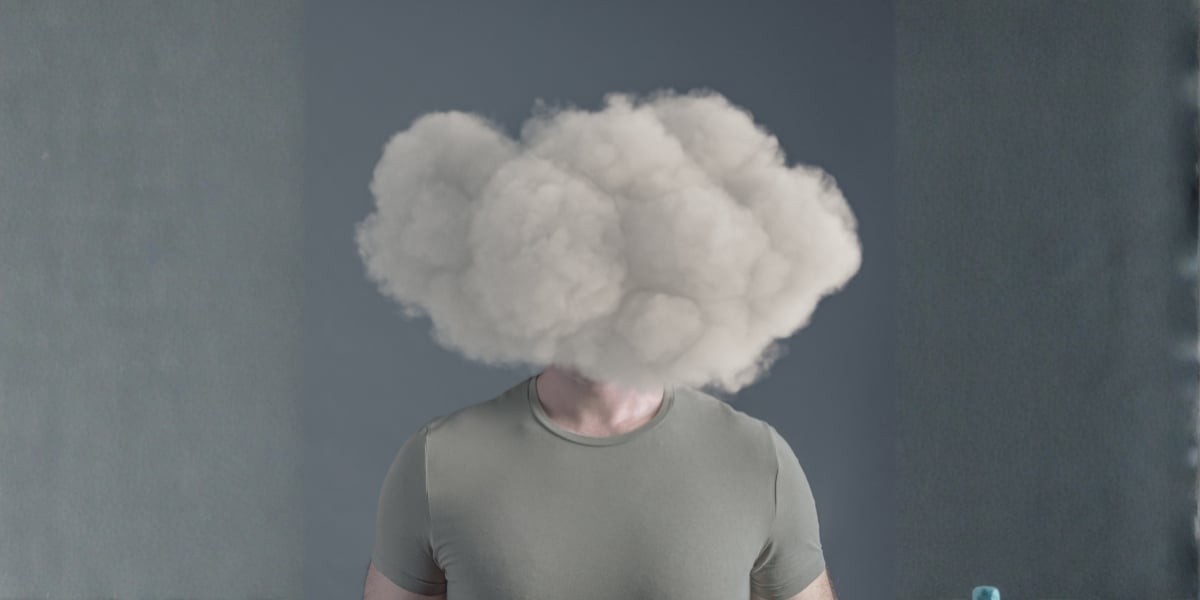
Emotional numbness (sometimes called emotional blunting) is the experience of feeling disconnected from your emotions, your environment, or even the people around you.
You may notice:
- You don’t feel happy, even during positive moments
- You feel detached from loved ones
- Life feels “flat” or meaningless
- You’re going through the motions without feeling engaged
For many people, this isn’t just a bad day; it’s a persistent state that can last weeks, months, or even longer.
Clinical research has shown that emotional numbness is commonly associated with changes in brain regions responsible for emotional processing, including the prefrontal cortex and limbic system.
Key Takeaways
- Emotional numbness is a real, biological condition, not a personal weakness
- It is often linked to depression, trauma, or chronic stress
- Brain chemistry plays a major role in emotional disconnection
- Traditional treatments don’t always fully resolve emotional blunting
- Ketamine therapy has shown rapid results in restoring emotional responsiveness
Why You Feel Emotionally Numb
Understanding the root cause is the first step toward healing. Emotional numbness rarely happens randomly. It is typically your brain’s response to overwhelming or prolonged stress.
1. Depression and Emotional Blunting
One of the most common causes of emotional numbness is depression.
Research published in Front Psychiatry shows that many individuals with depression experience reduced emotional reactivity; meaning they feel less joy, sadness, or connection.
This happens because depression affects neurotransmitters like serotonin, dopamine, and glutamate, which regulate mood and emotional processing.
2. Chronic Stress and Burnout
If your brain is under constant stress, it may begin to “shut down” emotional responses as a protective mechanism.
This is especially common among high-functioning people who continue working, parenting, and managing responsibilities while feeling internally disconnected.
3. Trauma and Emotional Shutdown
Trauma, whether from a single event or ongoing experiences, can lead to emotional numbing as a survival strategy.
The brain essentially says:
“If feeling is overwhelming, stop feeling altogether.”
This response is closely linked to conditions like PTSD and has been well-documented in trauma research (National Institute of Mental Health).
4. Medication Side Effects
Some antidepressants, particularly SSRIs, can cause emotional blunting in certain individuals.
Research indicates that 40%-60% of individuals taking SSRIs experience emotional blunting. A study published in Psychological Medicine found that a significant percentage of patients on SSRIs reported feeling emotionally “flattened,” even if their depressive symptoms improved.
The Brain Science Behind Emotional Numbness
Emotional numbness is not just psychological, it’s neurological.
Studies from institutions like Yale have shown that depression and emotional blunting are associated with disrupted communication between brain regions, particularly involving glutamate signaling pathways.
This is important because traditional antidepressants primarily target serotonin, while other treatments like ketamine target glutamate.
This difference may explain why some people continue to feel numb even after trying multiple medications.
How to Fix Emotional Numbness
The good news: emotional numbness is treatable. And for many people, recovery is possible faster than they expect.
1. Address the Underlying Cause
Effective treatment starts with identifying what’s driving the numbness:
- Depression
- Trauma
- Chronic stress
- Anxiety
- Medication effects
Working with a qualified provider is key to developing the right treatment plan.
2. Lifestyle Adjustments
While not a complete solution on their own, lifestyle changes can support recovery:
- Regular exercise
- Sleep optimization
- Mindfulness or meditation
- Reducing chronic stressors
3. Therapy and Emotional Processing
Talk therapy like cognitive behavioral therapy (CBT) and trauma-informed therapy can help reconnect you with your emotions over time, but both have their limitations.
A common concern with traditional talk therapy is that meaningful progress can sometimes feel slow, with patients needing months or even years before noticing significant change. While progress is often happening beneath the surface, it may not always feel that way in the moment. This is one of the many reasons ketamine therapy can be a powerful addition to a comprehensive treatment plan. Ketamine treatment often helps patients access emotions more readily and reconnect with how they feel, allowing them to approach subsequent talk therapy sessions with greater openness and insight. As a result, patients are often able to engage more deeply and gain more value from each session.
Talk Therapy approaches work by:
- Identifying thought patterns
- Processing unresolved experiences
- Gradually restoring emotional awareness
4. Ketamine Therapy for Emotional Numbness
For individuals who experience emotional numbness, feel stuck, or even those who haven’t found relief with traditional approaches, ketamine therapy is a powerful option. As mentioned above, ketamine therapy can also be combined with other therapy modalities like talk therapy to greatly improve results.
Research from Yale University and the National Institutes of Health shows that ketamine can rapidly improve mood and restore emotional responsiveness; often within hours to days.
Unlike traditional antidepressants, ketamine works by:
- Increasing glutamate activity
- Promoting neural plasticity (the brain’s ability to form new connections)
- “Resetting” disrupted brain circuits
- Actually healing instead of suppressing symptoms
This is why many patients report something profound:
👉 They can feel again.
Ketamine Therapy in Gilbert, AZ and Burnsville, MN
At Mind Body Centers, we specialize in ketamine infusion therapy for individuals experiencing emotional numbness, depression, anxiety, and trauma-related symptoms.
If you’re located in or near Gilbert, Mesa, Chandler, or Tempe, Arizona, our Gilbert clinic provides a safe, medically supervised environment for treatment.
For those in Burnsville, Eagan, Apple Valley, or Bloomington, Minnesota, our Burnsville location offers the same high level of personalized care.
Our approach focuses on:
- Individualized treatment plans
- Medical oversight
- Comfortable, supportive environments
- Value Based Care
- 1-on-1 Monitored Care with a Patient Care Provider in the room with you throughout your entire infusion
When to Seek Help
If emotional numbness is:
- Lasting more than a few weeks
- Affecting your relationships
- Interfering with daily life
- Not improving with self-care
…it’s time to seek professional support.
You don’t have to stay stuck in this state.
Frequently Asked Questions
❓ What causes emotional numbness?
Emotional numbness is commonly caused by depression, chronic stress, trauma, or certain medications. It is linked to changes in brain function, particularly in areas responsible for emotional regulation.
❓ Is emotional numbness a symptom of depression?
Yes. Emotional numbness is a well-recognized symptom of depression, often referred to as emotional blunting. Many individuals report feeling disconnected from both positive and negative emotions.
❓ How do you treat emotional numbness?
Treatment may include therapy, lifestyle changes, medication adjustments, and advanced options like ketamine therapy. Research shows ketamine may help restore emotional responsiveness more rapidly than traditional treatments for some patients.
You Don’t Have to Stay Numb
Emotional numbness can feel isolating but it doesn’t have to be permanent.
With the right approach, it’s possible to reconnect with your emotions, your relationships, and your sense of purpose.
If you’re ready to explore treatment options, Mind Body Centers is here to help you take the next step toward feeling like yourself again.
Schedule Your Free Consultation Today
Contact Mind Body Centers today to learn more about ketamine therapy and whether it’s right for you.
- Gilbert, AZ: Click here or call 480-626-7828
- Burnsville, MN: Click here or call 952-213-2800
Or visit our website to schedule a FREE Consultation and take the first step toward healing.
—————————
Follow us on social media!
Instagram: https://instagram.com/mindbodycenters
Facebook: https://www.facebook.com/mindbodycenter
X / Twitter: https://x.com/mindbodycenters
LinkedIn: https://www.linkedin.com/company/mind-body-centers
Youtube: https://youtube.com/@mindbodycenters