Contact Mind Body Centers today for a FREE CONSULTATION by filling our online form or by calling 1-855-481-9605.
Can Ketamine Therapy Help Crash Victims? A New Path to Trauma and Pain Relief
Crash Victims Find Hope with Ketamine
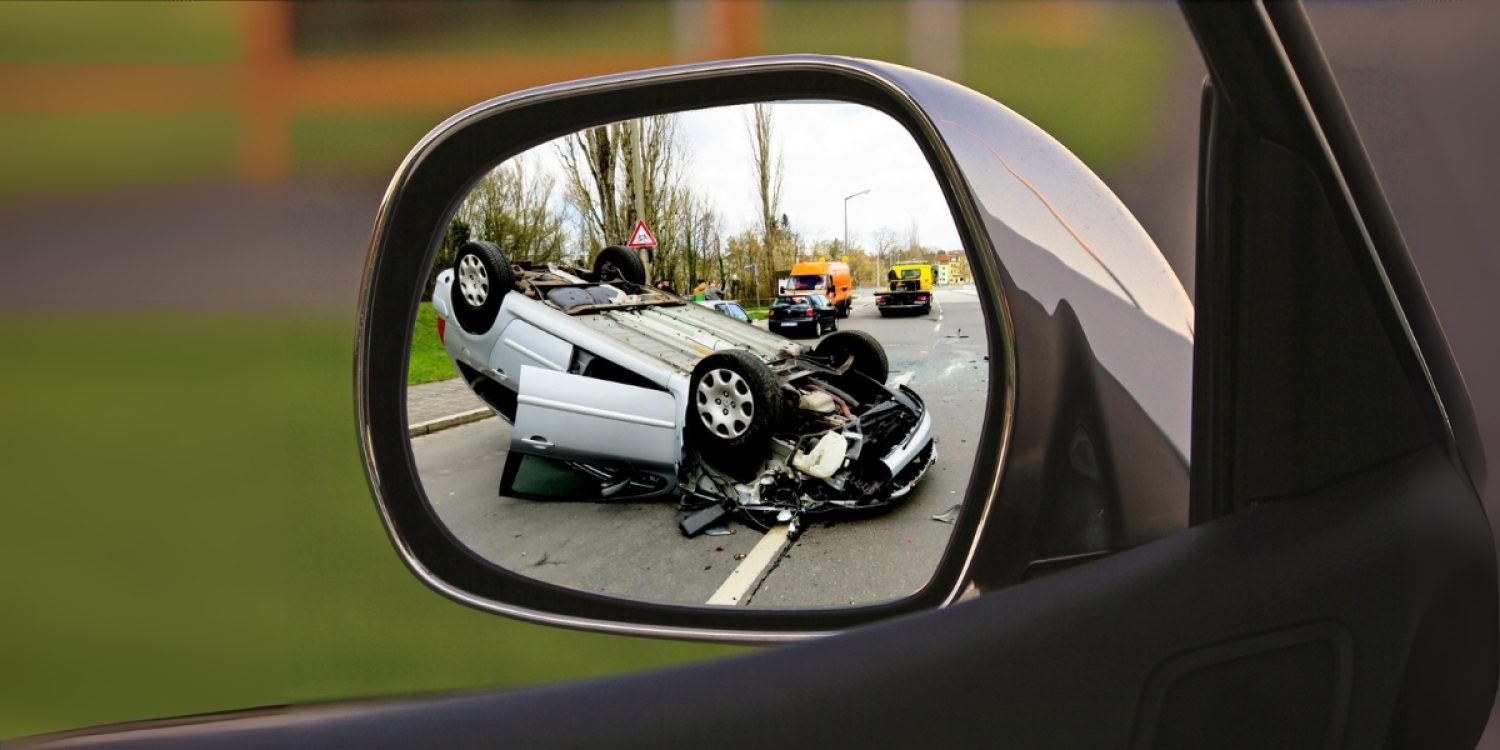
Car accidents and vehicle wrecks can leave more than physical scars. Many people involved in motor vehicle collisions develop psychological aftereffects—particularly post‑traumatic stress disorder (PTSD) or depression—which can profoundly disrupt daily life, relationships, and recovery from physical injury. At Mind Body Centers, with locations in Gilbert, AZ (serving Phoenix, Mesa, Scottsdale, Tempe, Chandler) and Burnsville, MN (serving Minneapolis, St. Paul, Eagan, Apple Valley), we have seen patients who struggle with trauma and mood symptoms following car crashes.
One of the most promising treatments in this space is ketamine infusion therapy. Below is a deeper look into how car accident survivors can develop PTSD or depression, and how ketamine therapy may help, especially for those in the Phoenix‑area and Twin Cities region seeking advanced care.
The Hidden Mental Health Cost of Motor Vehicle Accidents
Trauma Isn’t Just Physical
When the body is jolted, crashed, or twisted in a collision, the mind may also be thrown into chaos. Survivors of car accidents often experience intrusive memories, hypervigilance (jumpiness), nightmares, avoidance of reminders (e.g. not wanting to drive again), and persistent negative mood or cognitive shifts. These are hallmark symptoms of PTSD. Meanwhile, loss of functioning, pain, and disruption to daily life can precipitate depression.
Prevalence & Risk
Psychotherapy and medications such as SSRIs or SNRIs have traditionally been considered standard treatments for PTSD and depression, and they can be effective for some patients. However, for some patients, SSRIs or SNRIs aren’t effective. This can leave them dealing with complex trauma, intense depressive symptoms, or persistent intrusive thoughts after a vehicle accident.
Some patients may experience partial improvement from traditional treatment protocols, while others find it difficult to stay engaged in therapy due to the severity of their symptoms. Additionally, traditional antidepressants can take several weeks or months to work and may cause side effects that limit their use.
The dual burden of PTSD + depression can create a vicious cycle: negative thinking or mood worsens recovery and pain, and the ongoing pain and disability reinforce mood and trauma symptoms.
Why Traditional Therapies Sometimes Fall Short
- Psychotherapy / trauma therapy is a frontline treatment for PTSD, but many crash survivors are so burdened by intrusive symptoms and negative thinking that engaging consistently in therapy is very challenging.
- Antidepressants may take months to work and often don’t adequately help core PTSD symptoms such as intrusive memories, hyperarousal, or avoidance.
- Some patients are labeled “treatment-resistant” after traditional medications or therapies fail them.
This doesn’t mean these treatments should be discarded—in fact, many patients benefit from a multimodal approach that includes therapy, lifestyle changes, medications, and options like ketamine. Rather than being a “last resort,” ketamine infusion therapy is an evidence-supported, innovative treatment that can complement or, in some cases, outperform traditional methods, depending on the patient’s needs and biology.
How Ketamine May Help in PTSD and Post-Accident Depression
Ketamine therapy is increasingly being recognized as a viable and powerful option for people struggling with the psychological aftermath of car accidents. Whether used as a stand-alone intervention or in conjunction with other therapies, ketamine can offer rapid symptom relief, help reduce emotional reactivity to traumatic memories, and enhance the brain’s capacity for healing and adaptation.
In PTSD, clinical evidence is accumulating
- A systematic review and meta-analysis found that ketamine led to significant improvements in PTSD symptom scores (PCL‑5) both 24 hours after the first infusion and at endpoints of treatment courses.
- A randomized controlled trial showed repeated ketamine infusions were associated with marked symptom reductions across PTSD clusters—intrusions, avoidance, negative cognition and mood.
- In chronic PTSD, repeated ketamine infusions have shown sustained symptom relief lasting several weeks post-treatment.
Importantly, in many studies to date, ketamine has been relatively safe and well-tolerated, with no major adverse events reported.
Mechanisms That Make Sense for Crash‑Related Trauma
- Ketamine is an NMDA receptor antagonist, modulating glutamate pathways in the brain, which play key roles in memory, synaptic plasticity, and stress responses.
- It may help restore synaptic connections and brain-derived neurotrophic factor (BDNF) signaling that can be disrupted by chronic stress and trauma.
- Combined with psychotherapy, ketamine may open a “window of plasticity” wherein trauma memories can be processed and modified more effectively.
Why Mind Body Centers Is Well Positioned to Help Crash Survivors
At Mind Body Centers, we offer ketamine infusion therapy in a medically supervised setting, supported by experienced staff. Our Phoenix‑area (Gilbert) and Minnesota (Burnsville) locations aim to provide local access for those who need trauma and mood support after vehicle accidents.
At Mind Body Centers, our success rate of 88% with Mental Health clients is almost 20% higher than many other clinics, in large part due to our 10+ years of experience medically supervising more than 20,000 ketamine infusions.
Local Advantage & Accessibility
- If you live in Gilbert, Mesa, Scottsdale, Tempe, Chandler, or Phoenix, our Gilbert, AZ clinic is strategically located to serve you without long-distance travel.
- If you’re in Minneapolis, St. Paul, Eagan, or Apple Valley, our Burnsville, MN site offers a more accessible option in the Twin Cities region.
- Because travel and distance can be a barrier for trauma survivors (especially those avoiding driving or dealing with pain), having a local, trusted clinic matters for sustained care.
Integrated & Compassionate Care
- We assess each patient individually: medical history, mental health profile, trauma timeline, and physical injury status.
- Our treatment protocols are individually tailored to your needs.
- We integrate ketamine infusions with trauma-informed care, and support with co‑occurring issues like pain, sleep disturbance, or anxiety.
- Our Patient Care Provider is in the room with you throughout your infusion to monitor your vital signs, mental state, and general comfort level.
- Each patient is treated in a private room with a serene environment to optimize your experience.
Realistic Expectations & Patient Education
We believe in transparency:
- Ketamine is not a cure-all, but a potent tool in a larger toolkit.
- Some patients experience strong symptom relief early, while others may need a full protocol (e.g. multiple infusions + adjunctive therapy).
- Maintenance “booster” sessions are sometimes needed to sustain gains, depending on the individual.
- Follow-up and coordination with therapists and primary care providers can help improve treatment and results.
What the Treatment Journey Might Look Like
- Connect with our team — Fill out our contact form here or call 1-855-481-9605.
- Free phone Consultation — We provide a free phone consultation to help you understand whether ketamine infusions would be the right choice for you.
- Intake forms —These forms help us provide you with the better service.
- Pay screening fee — This $125 fee is for the medical and psychological assessments mentioned below. More about the screening fee and infusion pricing can be found here.
- Medical and psychological assessments — Includes an online psychological assessment (PAI), a review of your psychological history, and a review of your medical history with one of our clinical administrators.
- Stabilization Infusions— We typically recommend mental health patients complete 4-6 sessions within a 2 week time frame. The stabilization sessions allow the ketamine metabolites to build up in the patient’s system, start re-growing neuronal synapses, increase levels of neurotransmitters, and titrate dosing to achieve desired effects. The goal of the stabilization sessions is to give a patient the optimal foundation for a successful outcome. Whereas many other clinics always require 6 stabilization sessions, Mind Body Centers has over a decade of expertise in ketamine therapy and in some cases is able to adjust the stabilization sessions to only 4 sessions. This saves Mind Body Centers’ patients both time and money without compromising on quality of outcomes. Chronic Pain stabilization protocol is different than Mental Health protocols. You can learn more about that here.
- Maintenance infusions (when appropriate) — The first maintenance session for Mental Health is usually recommended 7-10 days after the last stabilization session, and then once a month thereafter. We have found that patients who stick with a monthly maintenance session for at least 6 months, will experience more pronounced and prolonged relief. Chronic Pain maintenance protocol is different than Mental Health protocols. You can learn more about that here.
Is Ketamine Therapy Right for Me?
Ketamine therapy may be a helpful and appropriate option for you if you experience symptoms of PTSD, depression, or anxiety—regardless of how those symptoms began. Whether your distress is linked to a traumatic event, ongoing emotional challenges, or unresolved symptoms from other types of treatments, ketamine treatment can offer a new pathway toward healing.
You may benefit from ketamine infusion therapy if:
- You are living with persistent symptoms such as intrusive thoughts, low mood, anxiety, or emotional numbness.
- You are looking for a fast-acting treatment to help reduce mental health symptoms and improve overall functioning.
- You’re open to innovative therapies supported by clinical research and supervised by medical professionals.
- You live near one of our clinic locations in Gilbert, AZ or Burnsville, MN—or are willing to travel for care.
At Mind Body Centers, we work collaboratively with your current care team (if applicable) and support you with a personalized, compassionate treatment plan. Ketamine is not about replacing other treatments—it’s about expanding your options and giving you more tools to feel better, sooner.
Final Thoughts
Vehicle accidents often leave unseen wounds—trauma, fear, depression—in their wake. While traditional therapies and medications are available, many crash survivors still struggle. Ketamine infusion therapy offers a rapidly acting, promising option to relieve PTSD and depression symptoms, giving patients the breathing room to engage in healing, therapy, and recovery.
At Mind Body Centers, we are committed to providing safe, compassionate, and evidence‑informed ketamine care in Gilbert, AZ and Burnsville, MN, serving communities throughout Mesa, Phoenix, Scottsdale, Tempe, Chandler and Minneapolis, St. Paul, Eagan, Apple Valley. If you or a loved one is experiencing trauma or mood symptoms following a car accident, reach out to us for a consultation.
Together, we can aim to transform the aftermath of wrecks from long‑term suffering into a path of healing.
Schedule Your Free Consultation Today
Contact Mind Body Centers today to learn more about ketamine therapy and whether it’s right for you.
- Gilbert, AZ: Click here to fill out our online form or call 480-626-7828
- Burnsville, MN: Click here to fill out our online form or call 952-213-2800
Or visit our website to schedule a FREE Consultation and take the first step toward healing.
—————————
Follow us on social media!
Instagram: https://instagram.com/mindbodycenters
Facebook: https://www.facebook.com/mindbodycenter
X / Twitter: https://x.com/mindbodycenters
LinkedIn: https://www.linkedin.com/company/mind-body-centers
Youtube: https://youtube.com/@mindbodycenters